Wedding Flower Costs Explained | What you’re really paying for when you invest in your wedding florals!
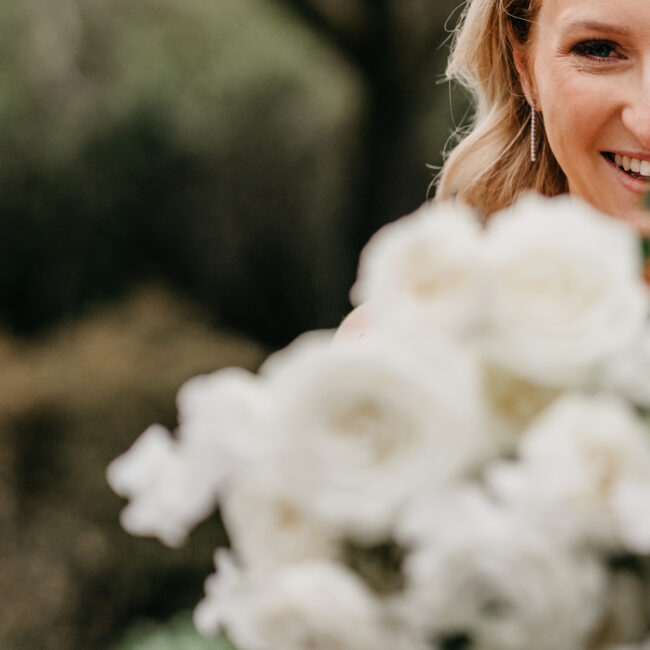
"But they're just flowers plonked on a table"
It’s a comment most wedding florists will recognise, often reflecting how much of the process remains unseen rather than the reality of the work involved.
Recently, I was speaking with one of my 2023 brides, who had worked within the wedding industry herself. During our conversation about wedding flower budgets, she shared how her parents had been surprised by the investment, comparing it to supermarket flowers described in very simple terms. It was a familiar story, and one that quietly highlights the gap between perception and process.
Why wedding flowers are an investment
Wedding floristry is a considered, service-led craft. Pricing reflects not only flowers, but the time, expertise, design process, logistics, and installation required to bring a cohesive floral vision to life.
Like all creative businesses, florists work with wholesale sourcing and structured pricing to sustain the studio, cover operational costs, and fairly reflect the extensive hours involved in each wedding. Experience, demand, and level of service all naturally influence this investment.
Beyond the final installation
What is seen on the wedding day is the result of weeks of preparation — from initial enquiries and consultations through to design development, sourcing, conditioning, logistics, and on-the-day installation.
In the week of a wedding, it is not uncommon for florists to be working long, focused days to ensure every detail is executed seamlessly. From first conversation to final placement, a wedding can represent 40–50+ hours of dedicated work.
What appears as a simple moment — flowers placed within a space — is in reality a carefully orchestrated design process, shaped well before the wedding day itself.
So where does your wedding flower budget go?
Wedding flower budgets vary depending on scale, design style, seasonality, and the level of service required. Rising wholesale flower costs and wider industry pressures have also influenced pricing across the UK wedding floristry market.
In simple terms, your investment is distributed across three core areas.
A significant portion goes directly towards the sourcing of flowers and foliage from growers and wholesalers. This includes not only the blooms themselves, but also the logistics, seasonality, and quality grading involved in selecting flowers suitable for design-led wedding work.
Another part of the budget covers the wider running costs of a professional floral studio. This includes workspace or studio overheads, professional training and development, and ongoing investment into more sustainable and considered floristry practices. It also covers essential materials used in floristry such as vessels, mechanics, and structural supplies required to safely build and install arrangements.
Finally, a large proportion reflects the time, skill, and creative process involved in wedding floristry. From initial enquiry and consultation through to design, sourcing, preparation, conditioning, delivery, and installation, each wedding requires significant planning and hands-on execution to bring the floral design together seamlessly on the day.
A note on pricing and discounts
It’s not uncommon for couples to ask about discounts or to explore flexibility within their wedding flower budget. While this is completely understandable, most florists are limited in how much they can adjust pricing, as any reduction typically comes directly from the time, skill, and income required to deliver the work.
Wedding floristry is a service-led, creative industry where pricing is carefully calculated to reflect the cost of flowers, materials, overheads, and the significant hours involved in designing and delivering each wedding. In most cases, florists are pricing as fairly and accurately as possible to sustain both their business and their craft.
It’s also worth noting that many florists have, at some point in their career, underpriced their work in order to secure bookings — something that ultimately impacts sustainability, wellbeing, and the wider industry as a whole.
The reality is that wedding floristry is not inflated simply because of the word “wedding”, but because of the level of time, expertise, and execution involved in creating a fully bespoke service.
A little transparency goes a long way in helping couples feel confident that their investment is going towards skilled design, considered sourcing, and a highly personalised service, rather than unnecessary mark-ups.
For more insight into wedding flowers, pricing, and seasonal inspiration, you can follow along on Instagram at @wildlingsandaster.

Lucy williams
❤️